GLP-1s and Weight Management: What You Should Know
 April 3, 2026
The success stories are easy to find.
Serena Williams, a former professional tennis player, said a GLP-1 helped her lose more than 30 pounds after she struggled to lose weight postpartum. Oprah Winfrey, former talk show host, said her weight stopped “yo-yoing” after she began using one. James Corden, actor and comedian, realized while using one that “nothing about my eating has anything to do with being hungry.”
The list goes on and on.
How are GLP-1s so effective?
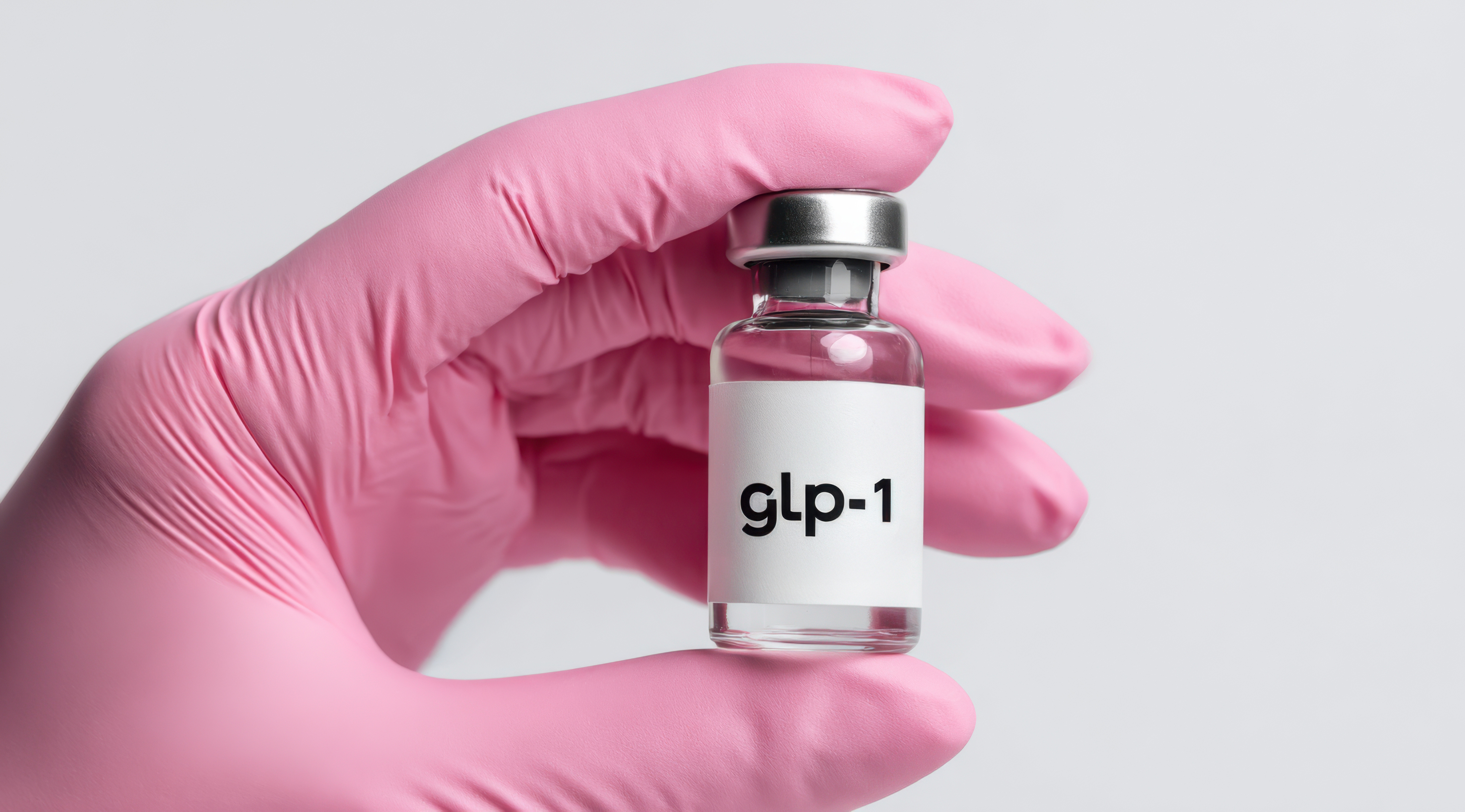
To answer that question, let’s start by explaining what they are. GLP-1 medications are a type of drug. The first one was approved in 2005 by the U.S. Food and Drug Administration (FDA) to help people with Type 2 diabetes control their blood sugar levels. More recently, doctors found that some GLP-1s can also help people lose weight.
GLP-1s can’t treat Type 2 diabetes or obesity by themselves. They work best as part of a full care plan that also includes healthy eating and lifestyle changes.
GLP-1s work by:
- Helping the body release insulin
- Slowing digestion
- Preventing more glucose, or sugar, from entering the bloodstream
- Telling your brain that you’re full
GLP-1s work by attaching to cells and triggering these effects.
While the results can be plain to see, Nielufar Varjavand, MD, a professor of medicine at Drexel University College of Medicine and a primary care physician, says there are other sides to GLP-1s that should be considered.
First, the side effects. The most common ones are nausea, vomiting, diarrhea, constipation, and stomach pain. These symptoms usually depend on how much medicine you take. A larger dose can cause stronger side effects. They are most likely to happen when you first start the medication or when your dose goes up.
What worries experts more, Dr. Varjavand says, is that we don’t know enough about the long-term effects. The FDA approved the first GLP-1 medication for weight loss in 2014, so scientists only have a little over ten years of data to study. Dr. Varjavand says not knowing the long-term effects makes some of her patients decide not to try GLP-1s.
Another problem: cost. Insurance coverage for weight-loss drugs can be different depending on the company, and many have stopped or reduced coverage in January 2026. (For people with Type 2 diabetes, GLP-1s are usually covered.)
This much has become clear: if you want to keep getting the benefits of GLP-1s for weight loss, you have to keep taking them long term. A study published in January 2026 showed that most people who stopped taking GLP-1s returned to their starting weight around a year-and-a-half later.
Dr. Varjavand tells her patients to think of GLP-1s as just one part of a larger plan to manage their weight.
“We know that rest and eating well will help you get through a cold,” she says. “But that doesn’t mean you shouldn’t take medicine in the meantime to help you breathe better.”
A GLP-1 works better when you also exercise regularly, get enough sleep, and eat healthy foods. This usually means cutting out sugary drinks and foods, eating less red meat and eating a variety of fruits and vegetables.
Without this foundation, she says, your life won’t change in a meaningful way.
“Because, really, this is not about losing weight,” Dr. Varjavand says. “It’s about establishing a healthier life for the rest of your life.”
The information on these pages is provided for general information only and should not be used for diagnosis or treatment, or as a substitute for consultation with a physician or health care professional. If you have specific questions or concerns about your health, you should consult your health care professional.
The images being used are for illustrative purposes only; any person depicted is a model.
Back to Top